We use cookies to ensure that we give you the best experience on our website.
Notice: Dorset Fungus Group is changing
The next generation, Dorset Mycology Group, will be forming in the new year to discuss the future of this community collective. If you would like to be involved with our forays in 2026, please email your name and contact number to dorsetmycologygroup@gmail.com and, with your permission, we will add you to a whatsapp group in the new year to arrange our first meeting.
The next generation, Dorset Mycology Group, will be forming in the new year to discuss the future of this community collective. If you would like to be involved with our forays in 2026, please email your name and contact number to dorsetmycologygroup@gmail.com and, with your permission, we will add you to a whatsapp group in the new year to arrange our first meeting.
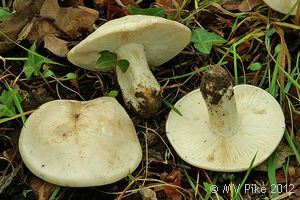
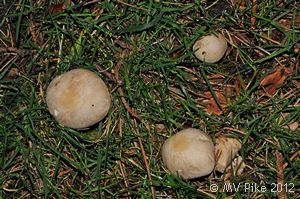
Easily identifiable the mushrooms only appear in the spring, on or a round St George’s Day (April 23rd) and, depending on the weather can stay until the end of May.
They can be found in many locations, such as roadside verges and parks but mainly in grassland and lightly wooded areas, sometime singly but more commonly in rings which can extend to many metres across. They are one of the finest wild mushrooms with a firm texture and mealy smell. They are much loved by the French who refer to them as the “true mushroom”.
Cut off the lower part of the stem and with a small brush clean the topside and underneath of the cap. They can then be sliced and sauted in butter or served with asparagus in an omelette in which they retain a lovely firm chewy texture. For variation add a little chopped garlic ramson leaves or a few small pieces of crow garlic.